Welcome to Pinos Genil: The Heart of the Genil Valley
Pinos Genil is more than just a destination; it is an experience where history, elite sports, and heritage merge within a privileged valley. Strategically located between the city of the Alhambra and the peaks of Sierra Nevada, our municipality offers a unique microclimate and a singular beauty sculpted by water and mountains.
As a premier destination, we hold the Guaranteed Quality seal, are members of the SICTED system, and are proud members of the Magic Villages of Spain Network (Red de Pueblos Mágicos de España).







A Journey Through Time: From Pinienllus to Pinos Genil
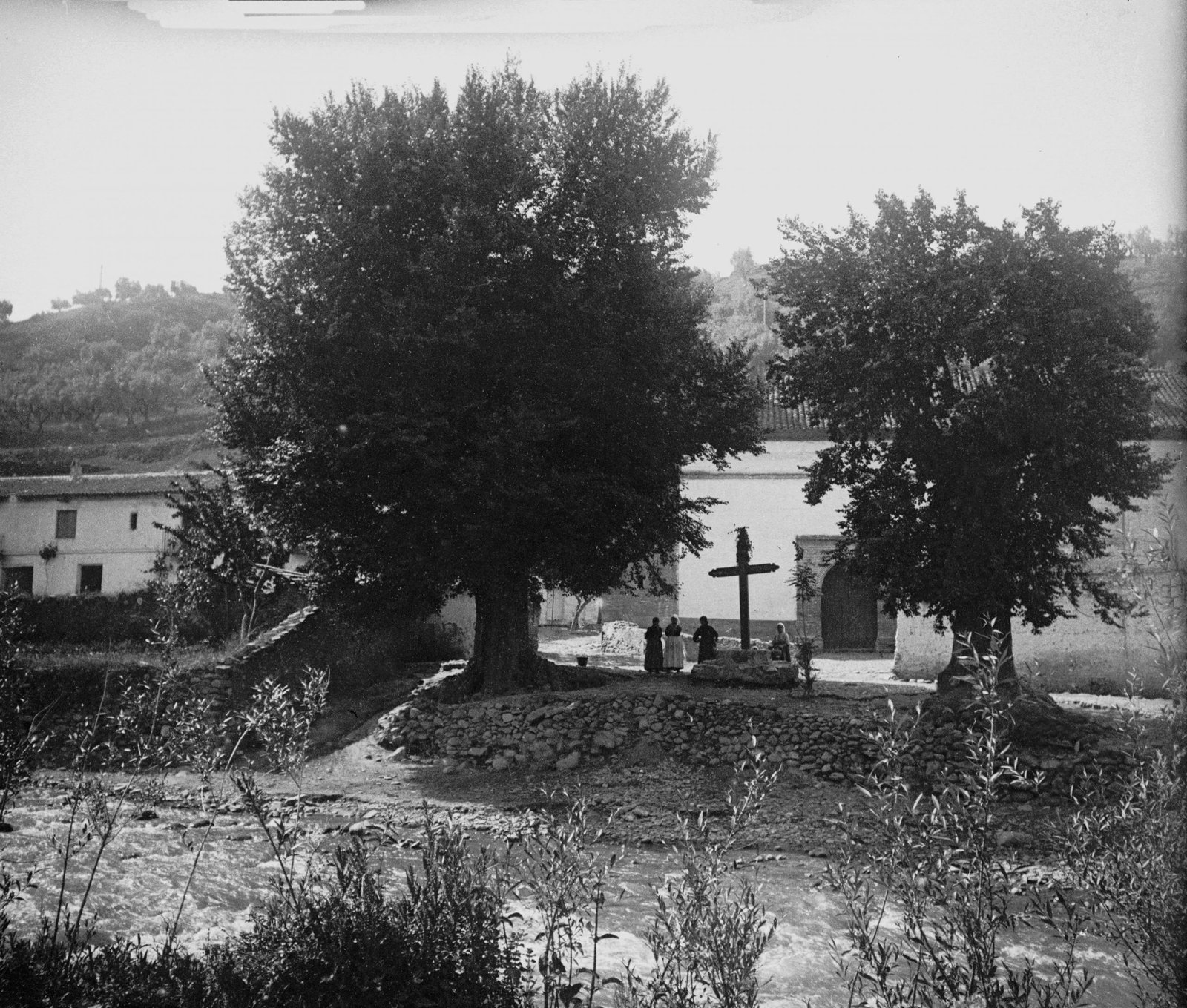
The history of Pinos Genil is a story of constant transformation. In his famous “Annals of Granada,” historian Henríquez de Jorquera attributes the village’s founding to the Arabs during the 8th and 9th centuries. However, the essence of this land is much older: archaeological evidence points to a Hispano-Visigoth settlement, and records show that in Roman times, the enclave was already known as Pinienllus.
The Evolution of a Name
Over the centuries, the municipality’s official names have reflected the changes of each era:
- 1574: Recorded as Pinillos de la Sierra.
- 1642: Changed to Pinillos del Genil, a name kept for nearly two centuries.
- 1810: The current name, Pinos Genil, was definitively adopted.
Geography and Natural Environment
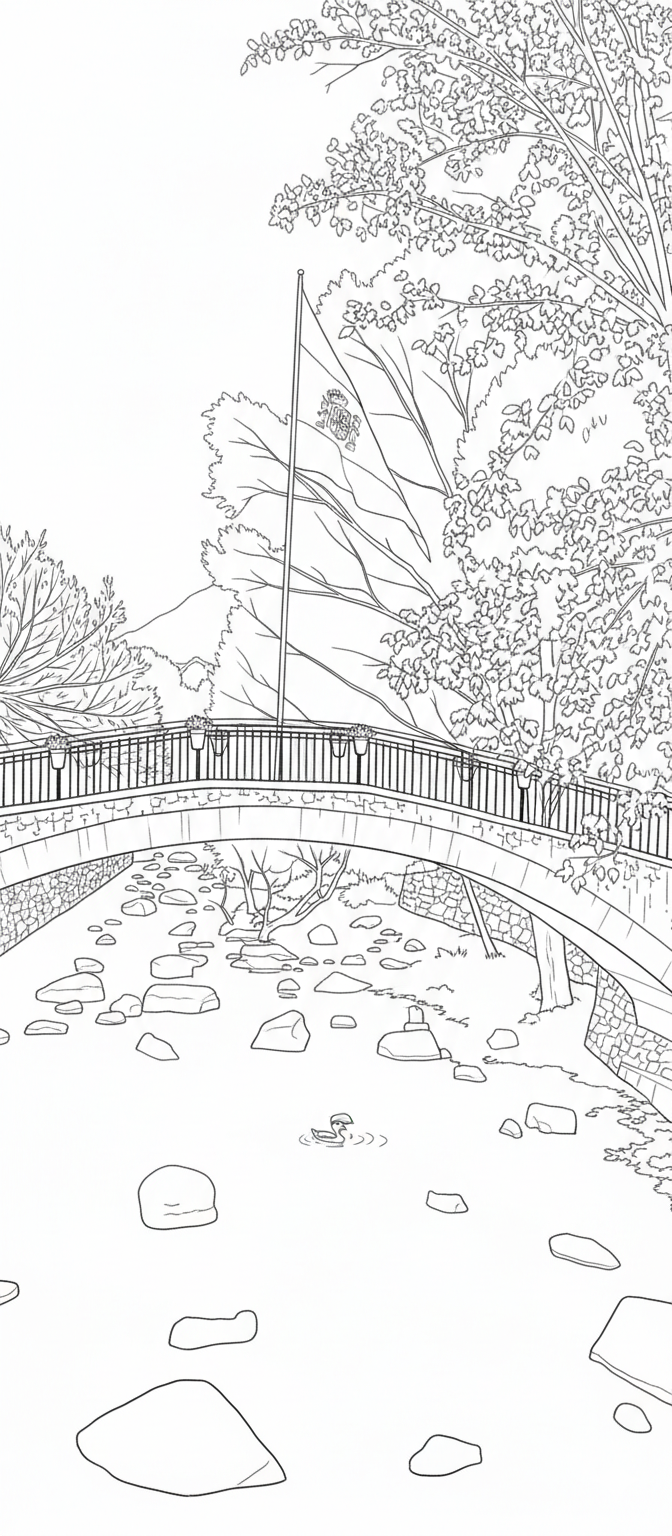
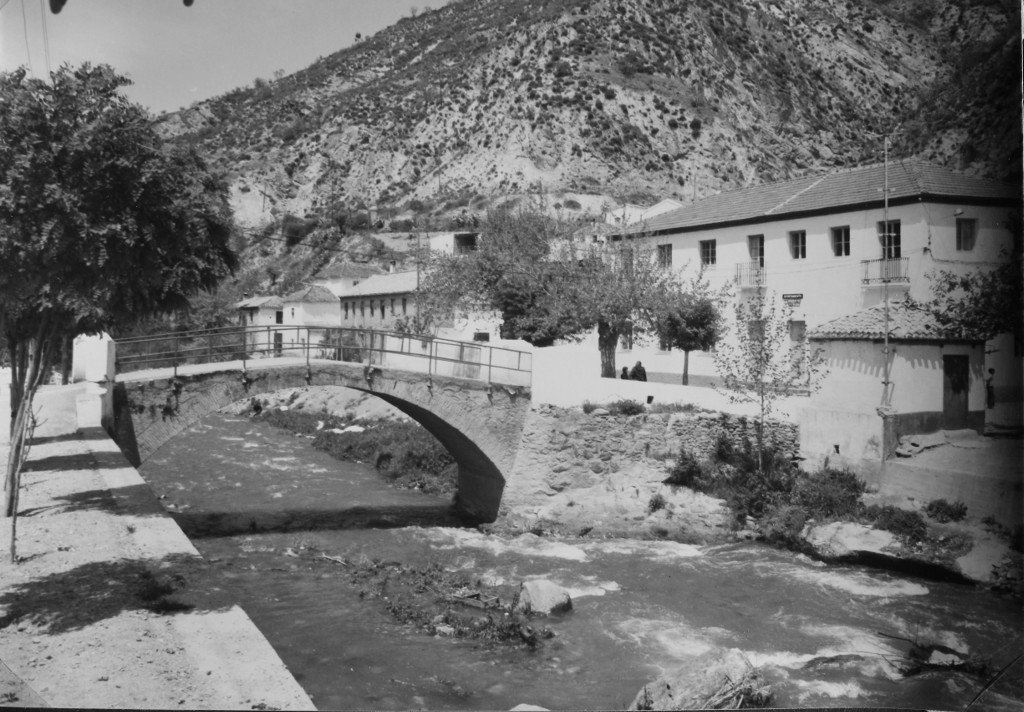
Pinos Genil boasts a fascinating and complex landscape. The village is nestled in a narrow valley formed by the Cerro de la Cruz and Cerro de Don Luis, with the Genil River serving as the backbone that divides the town center.
Our borders meet Cenes de la Vega, Granada, Dúdar, Güéjar Sierra, and Monachil. In addition to the Genil, the Aguas Blancas River flows through our lands. The municipality is organized into two main areas: the historic center and Los Pinillos, a neighborhood located about 3 km away. Our inhabitants, proud of their roots, are officially called pineros/as, though they are affectionately known by the nickname ranos/as (frogs).
The Link to Sierra Nevada and the Duke of San Pedro
The modern history of Pinos Genil is inextricably linked to the conquest of the mountain peaks. In the 1920s, the municipality underwent its greatest transformation thanks to the vision of the Duke of San Pedro de Galatino, who turned these mountains into a world-renowned destination.
Development Milestones
- The Granada-Sierra Nevada Road: A key piece of infrastructure running through the heart of the village, designed by the prestigious engineer Juan José Santa Cruz.
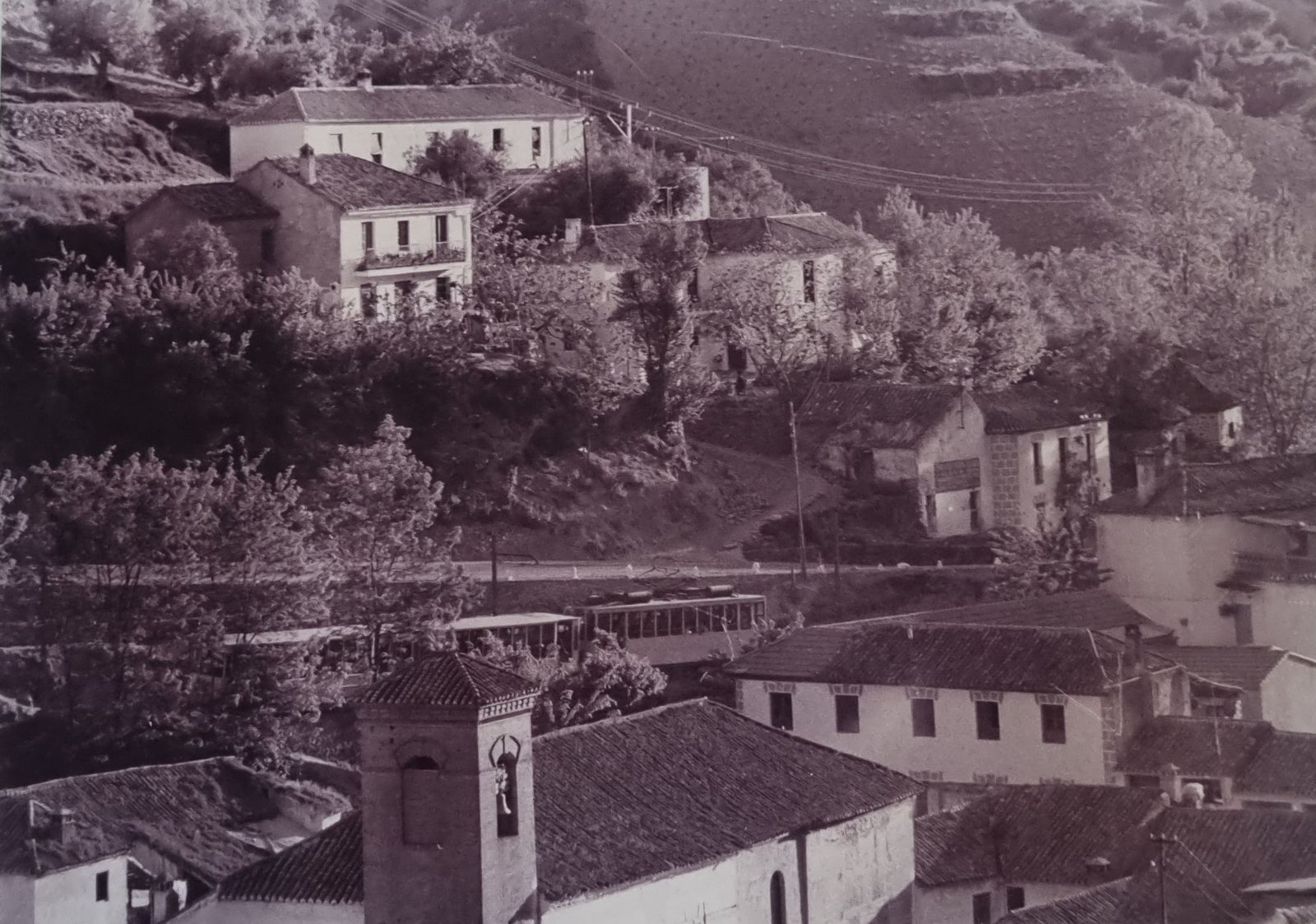
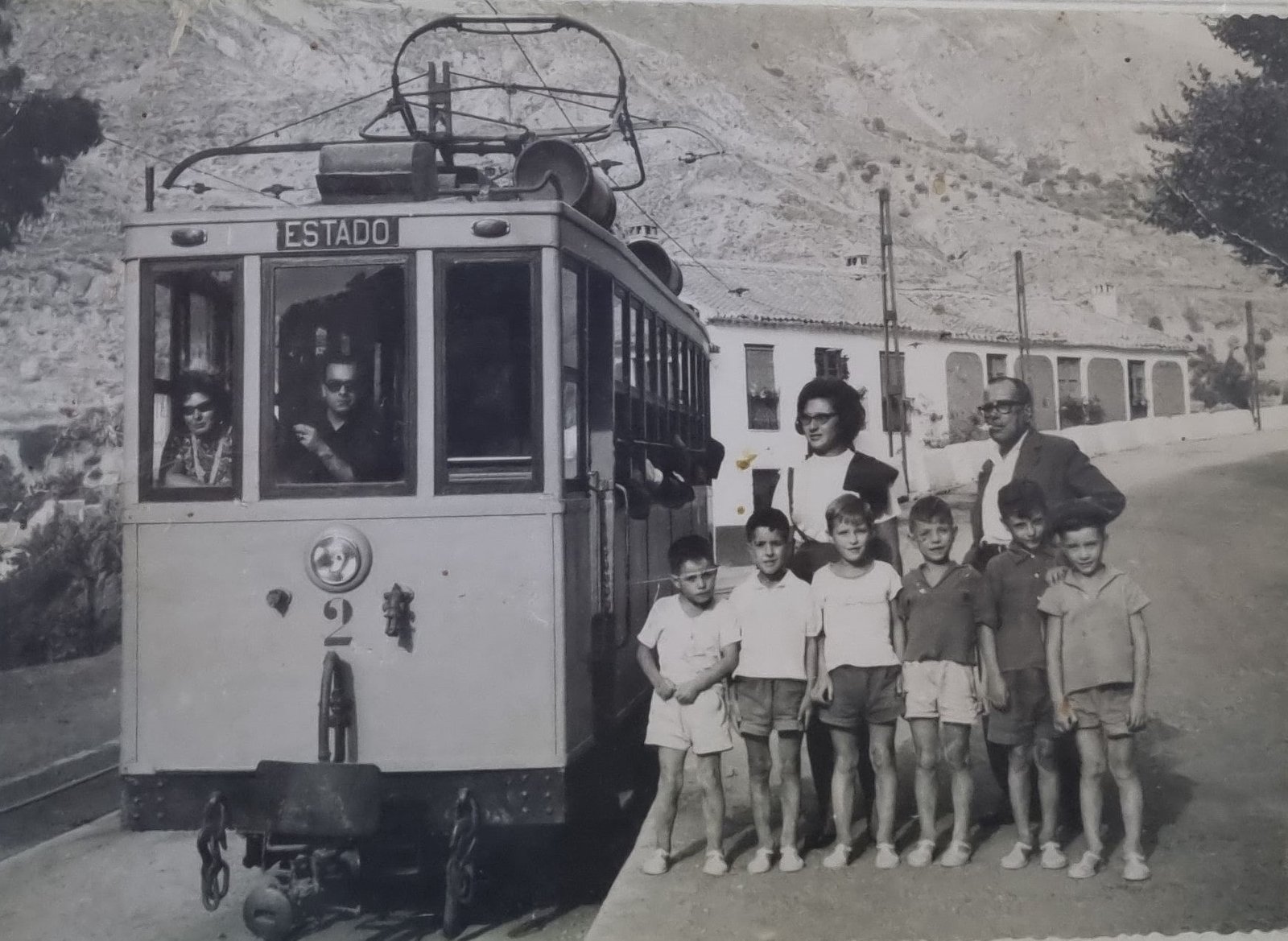
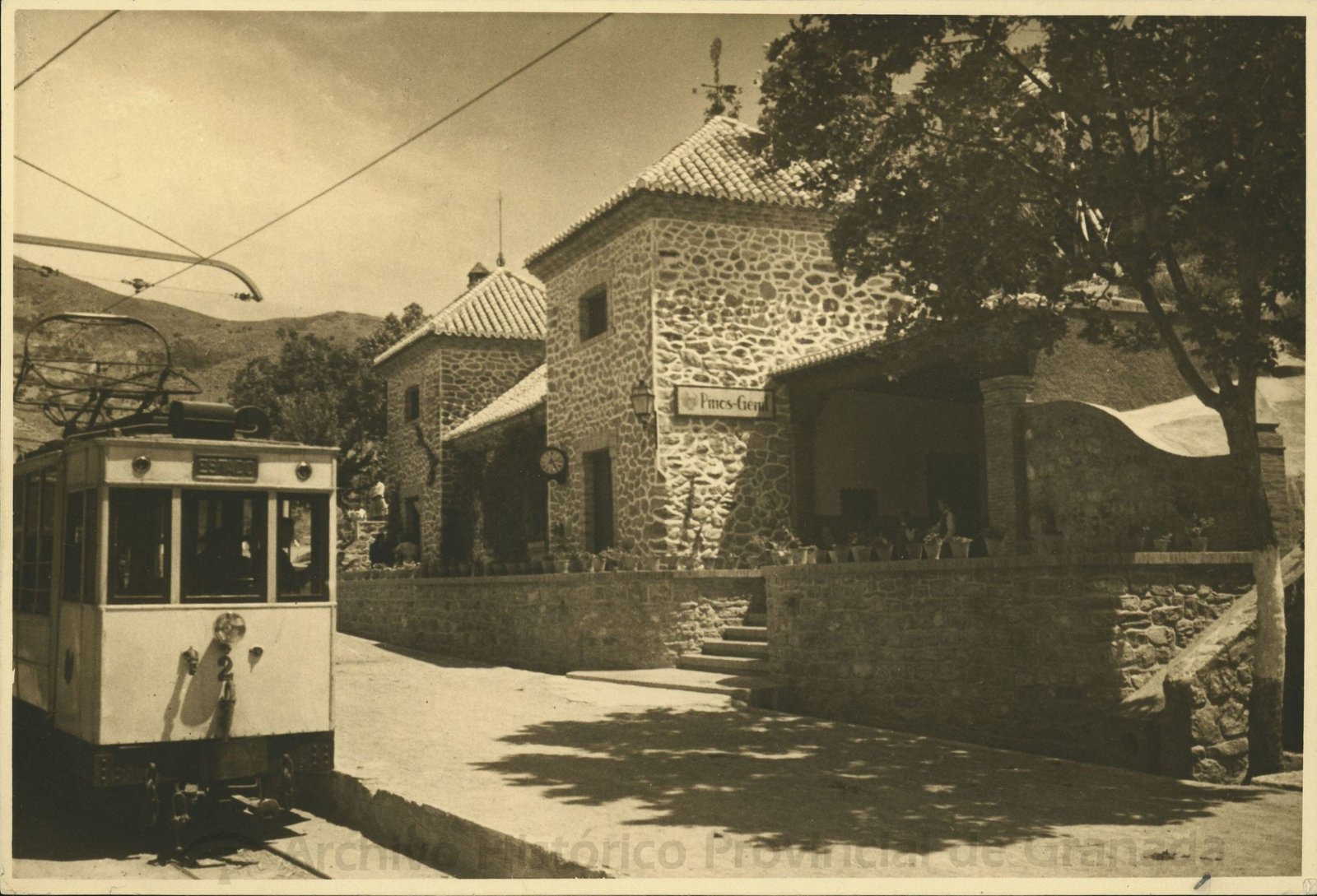
- The Sierra Tramway (Tranvía de la Sierra): This legendary line had its own station in Pinos Genil, connecting the city of Granada with the very soul of the mountains.
⚡ Did You Know? Pinos Genil: A Laboratory for the Elite
Pinos Genil no es solo un destino de descanso; es un enclave estratégico de alto rendimiento para el deporte profesional y la ingeniería automovilística:
- Pinos Genil is not just a place for relaxation; it is a strategic high-performance hub for professional sports and automotive engineering:
- The Epicenter of World Cycling: With direct access to the Alto de Hazallanas and the Sierra Nevada peaks, elite teams like Jumbo-Visma and UAE choose this area for high-altitude training. Here, international cyclists prepare for the Tour de France by tackling ramps with gradients exceeding 20%.
- Automotive Proving Ground: The winding A-4026 road (Balcón de Canales) is a legendary stage for motorsport. Its technical layout, full of hairpin turns and extreme slopes, is used by racing teams and manufacturers to test brakes, engines, and cooling systems under critical high-mountain conditions.
Heritage: Parish Church of Santa María Magdalena
The main monument and pride of the municipality is the Parish Church of Santa María Magdalena. This temple, built in the Mozarabic/Mudejar style, is a living testament to the cultural transition of Granada.
History and Construction
Construction began in 1524 on the site of a small mosque and was completed in 1530. While the original floor plan remains, the building suffered a severe fire during the Moorish Revolt (1568-1570), causing significant structural damage and the loss of much of its historical archive.

Architectural and Artistic Details
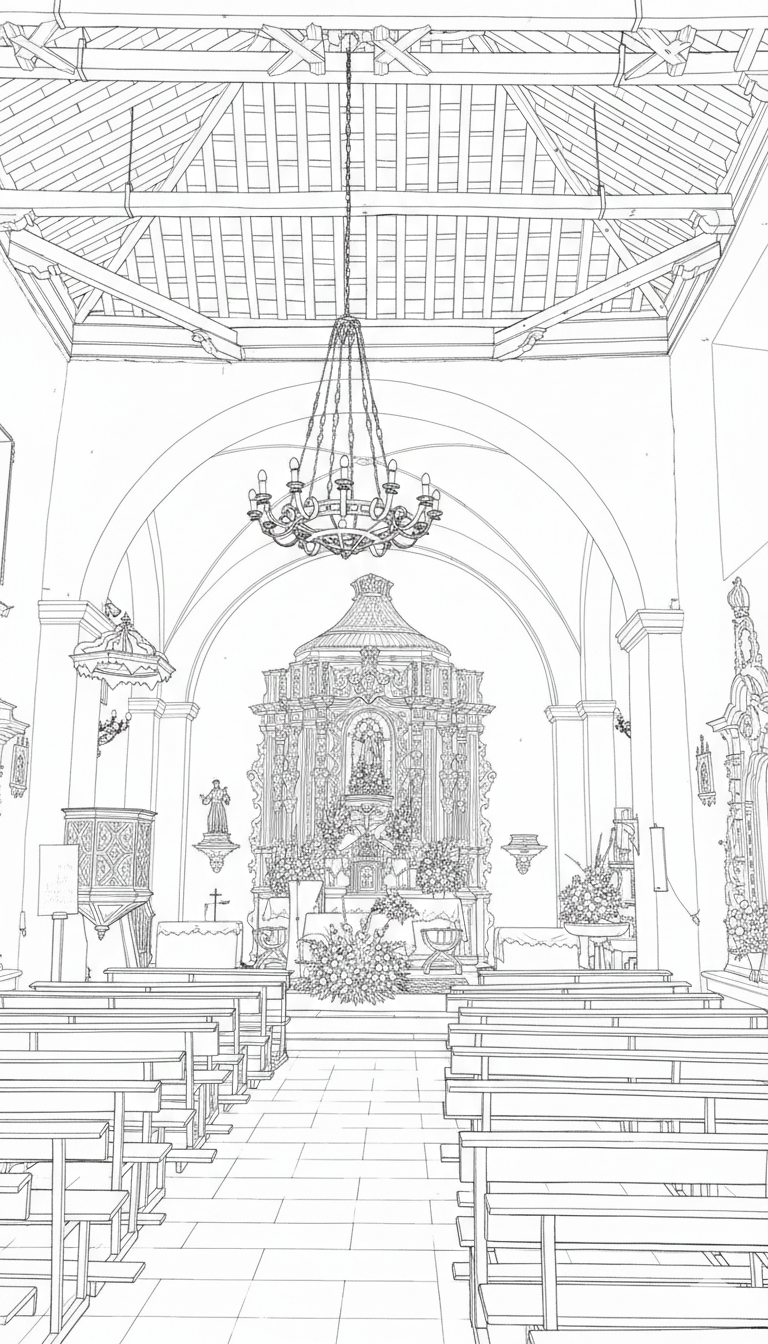
- Structure: It features a classic single-nave layout where a triumphal arch separates the main chapel, which is covered by a groin vault.
- The Roof: The nave is covered by a magnificent timber frame (armadura de limas bordón) with four double tie-beams, featuring exquisite woodwork at both ends.
- The Pulpit: An 18th-century Baroque gem, hexagonal in shape and accessed by a four-step staircase.
- The Main Altarpiece: This convex altarpiece features a single section housing the Tabernacle and the Monstrance, decorated with a beautiful blend of floral and geometric motifs.
Interior Treasures
- Sculpture: Highlights include powerful Baroque works such as the Crucified Christ, the figure of San Roque (the town’s patron saint) with his dog, and the sculpture of St. Francis of Assisi.
- Painting: The collection includes notable canvases of Saint Sebastian, Saint Francis, and Saint John the Baptist.


The Artist’s Corner
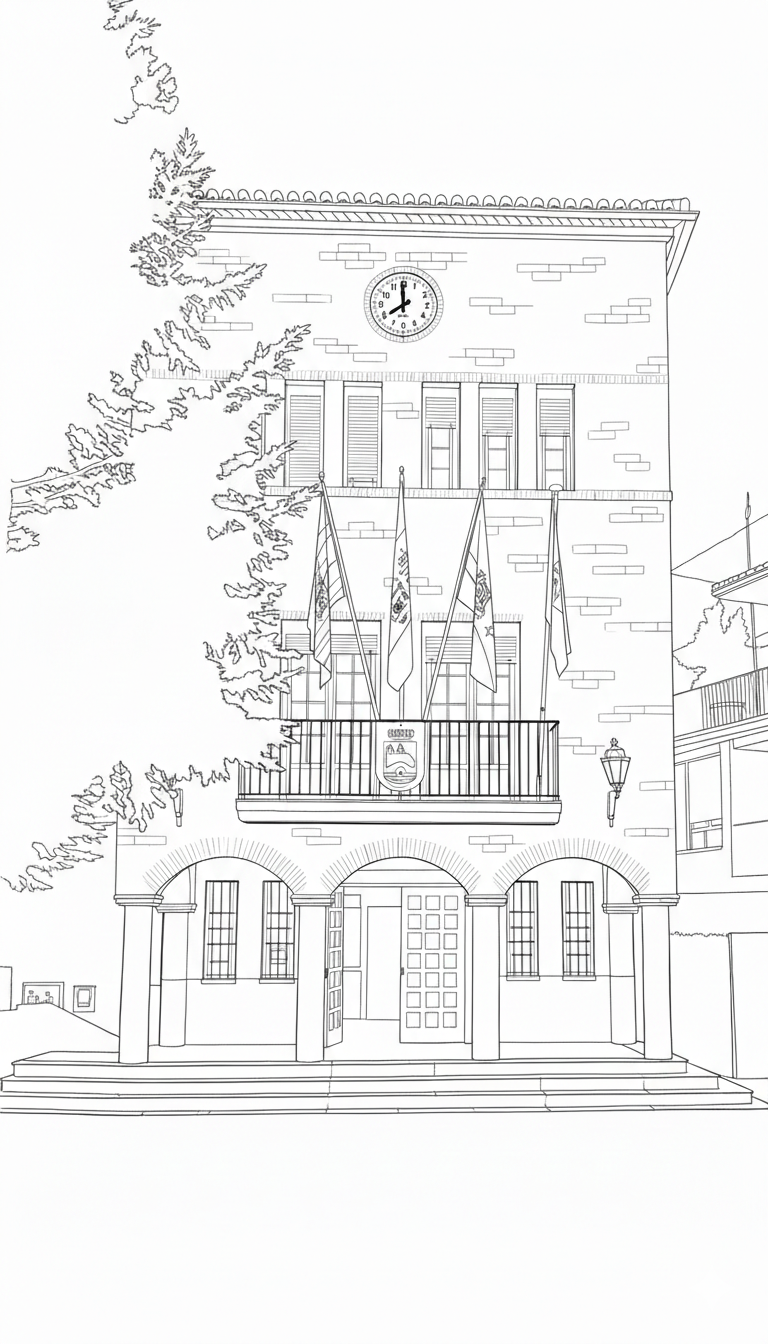
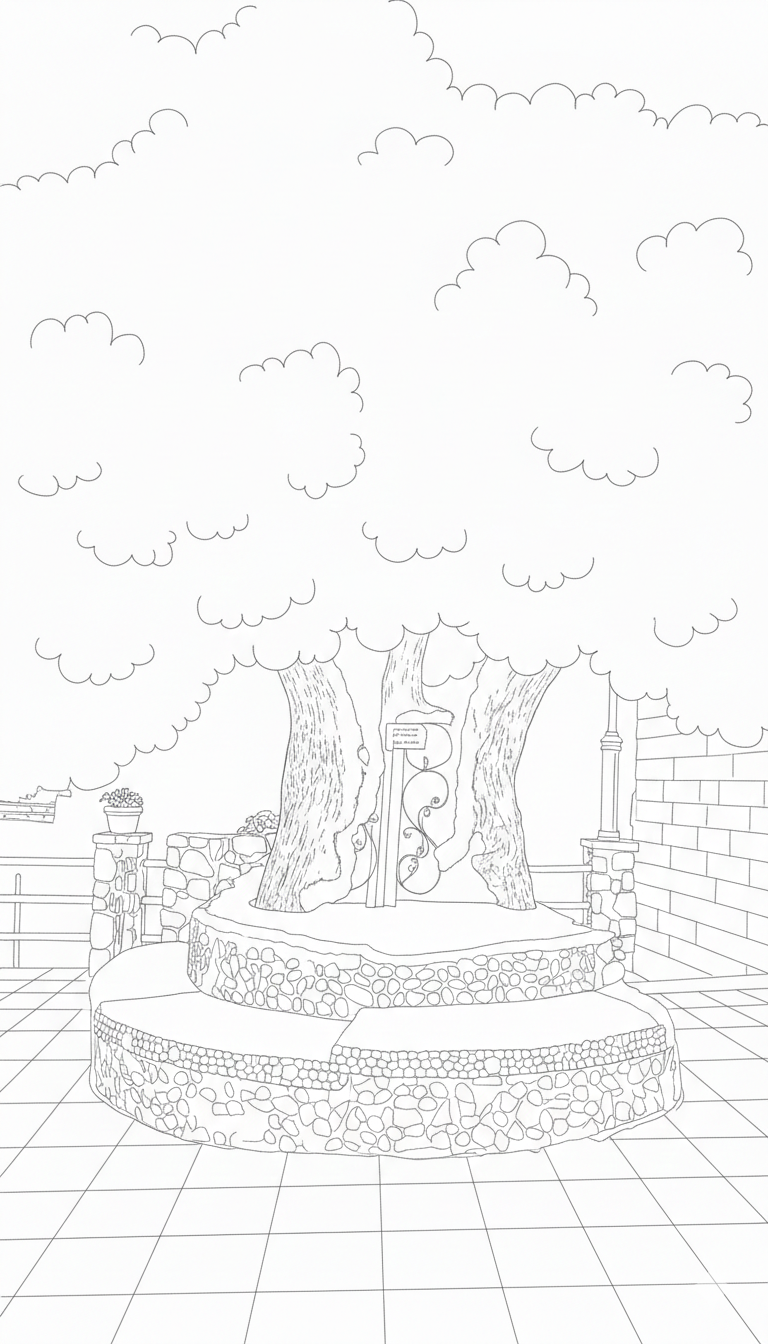
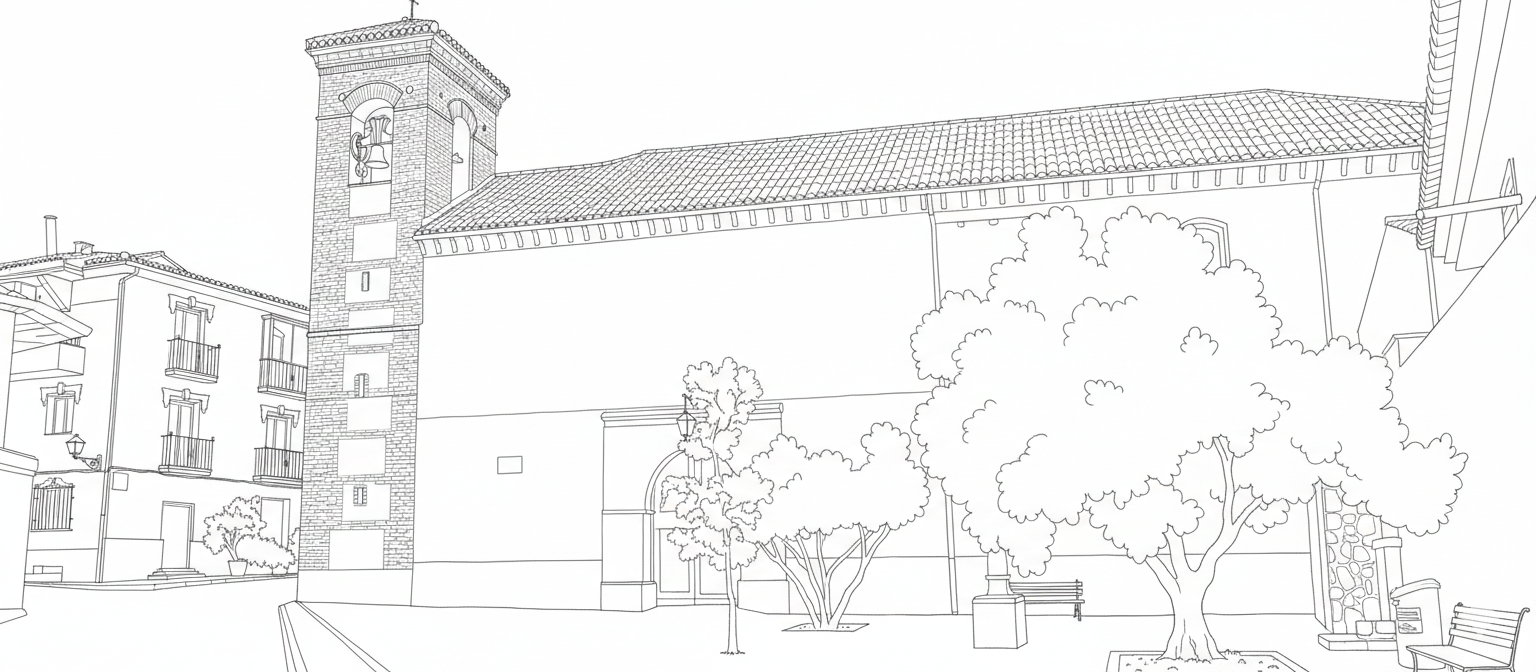
Download, print and colour. Fun guaranteed for the little ones at home!